


Open Sourceress
Connection vs Isolation
If your Shadow teaches through connection, this archetype helps you learn to lower the armor, ask cleanly, and build real trust through shared tools and honest contact.

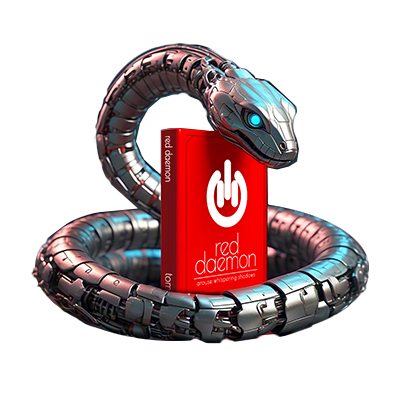

It's a story drawn from my AI-assisted Shadow work dissectiing of my writing — six articles, specifically. You can use essays, song lyrics, poems, or short stories — anything with enough text for your AI ally to spot your recurring themes. This book outlines the steps and the prompts necessary to write your Shadow’s story.
Your six archetypes may be different. Mine were identified and assembled through the Shadow work with my AI ally. Your archetypes may swap places as co-stars, background characters, or even villains—but once you start to see the plotline and recognize each role, you can either sit back and enjoy the show, or jump on stage..
If your Shadow teaches through connection, this archetype helps you learn to lower the armor, ask cleanly, and build real trust through shared tools and honest contact.
If your pattern is disappearance, this archetype is the place where you fade out, numb out, or hide in plain sight—and where presence, voice, and visibility get reclaimed.

If your lesson is truth-making, this archetype is how you turn confusion into clarity by testing ideas, tracking patterns, and converting experience into usable insight.

If your Shadow grips too tightly, this archetype is where roles, outcomes, and identities loosen—so change stops feeling like loss and starts feeling like movement.

If your growth edge is empathy, this archetype is how you read people and signals without losing yourself—staying rooted while your perspective expands.

If your tension lives in control, this archetype is where you learn to design structure without self-caging—choosing constraints and rituals, then letting outcomes breathe.

|
|
||
 |
 |
 |
 |
 |
 |
 |
 |
 |
 |
 |
 |
 |
||